
What Fits in a 10x20 Storage Unit? A Room-by-Room Capacity Guide
You're mid-move, staring at a living room full of furniture and a garage stacked with boxes, trying to figure out whether a 10x20 storage unit will actually hold everything or whether you'll be making a second trip to rent something bigger. It's a common planning problem, and the solution depends less on guesswork and more on knowing what the footprint means in practical terms. At 200 square feet, a 10x20 unit is roughly the size of a standard one-car garage, and that comparison is more useful than it sounds.
The Actual Dimensions, Put in Context
Ten feet wide by twenty feet deep gives you a long, corridor-style space that rewards thoughtful loading. Ceiling heights typically run eight to ten feet, which means vertical stacking is a real option if you use sturdy shelving or stack boxes on top of furniture. That vertical dimension is what separates a well-packed 10x20 unit from a chaotic one. Renters who plan their load before they arrive consistently fit more in the same footprint.
For a general sense of scale: this unit size commonly holds the contents of a three- to four-bedroom home, a full apartment plus garage overflow, or a business's seasonal inventory rotation. It is one of the largest standard unit sizes available, so if you're weighing it against a 10x10 or 10x15, the jump in capacity is significant.
Room-by-Room Breakdown of What Fits
Living Room
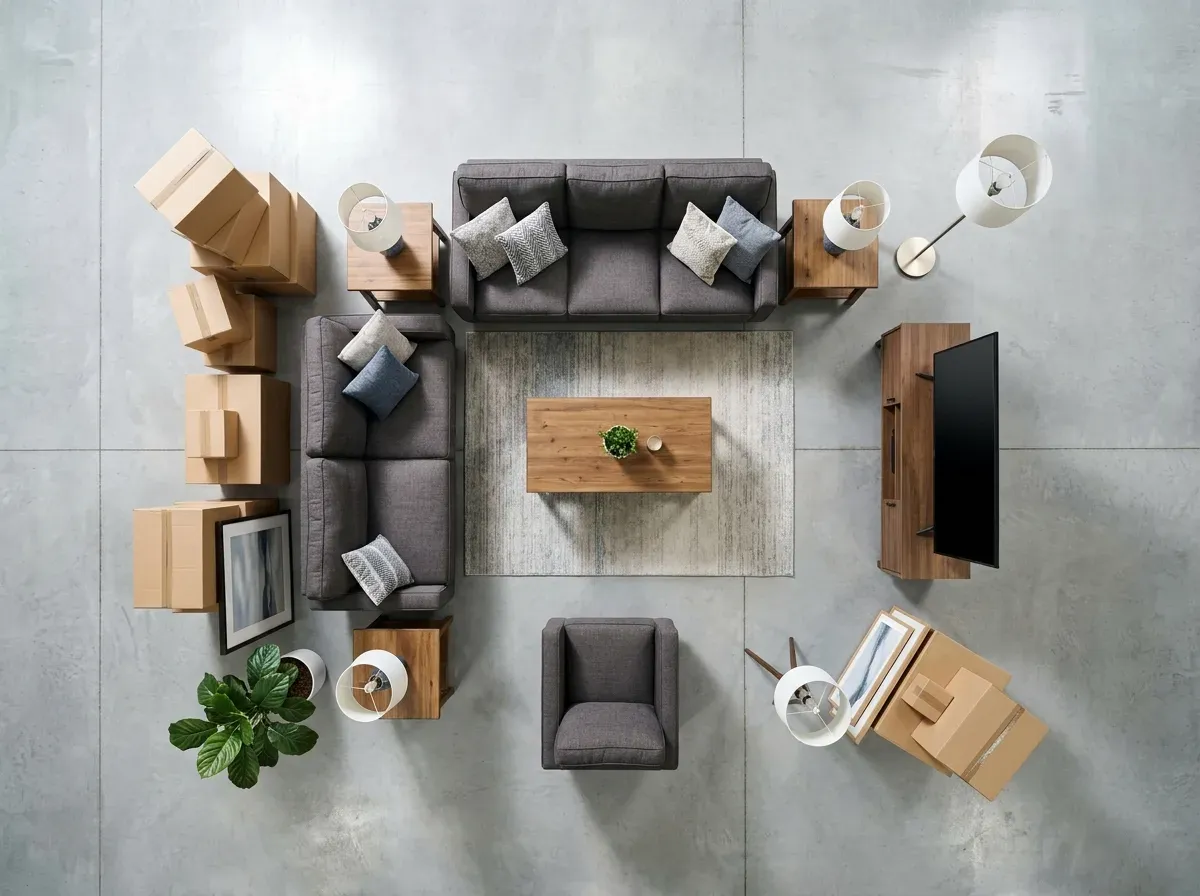
A full sofa, love seat, coffee table, entertainment center, and a couple of armchairs fit comfortably. Floor lamps, side tables, and a flat-screen TV (stored upright and padded) can fill the gaps. If your living room has a large sectional, plan to disassemble it into individual pieces so it stacks more efficiently along the back wall.
Bedrooms
A king-size bed frame, mattress, dresser, nightstands, and a chest of drawers from a primary bedroom take up a meaningful portion of the unit, but you still have room for two additional bedrooms' worth of furniture. Queen and full bed frames, smaller dressers, and children's furniture stack well when you remove drawers and nest them together. Mattresses should stand upright against a wall rather than lie flat on the floor.
Kitchen and Dining Room
A dining table with up to six chairs, a china cabinet or buffet, and several boxes of kitchen gear fit without crowding. Stack chairs seat to seat to cut their footprint in half. Appliances like a microwave or stand mixer pack well in their original boxes. If you no longer have those, wrap them in moving blankets and tuck them into the spaces between larger pieces.
Home Office and Miscellaneous
A desk, filing cabinet, bookcase, and several boxes of documents or office supplies fit alongside everything else listed above. Bookshelves are worth disassembling if the shelves are removable, since they load flat and free up floor space for boxes.
Garage and Outdoor Items
Lawn equipment, bicycles, power tools, and sports gear can fill the remaining floor space once you load the household furniture. Lean long-handled tools like rakes and shovels along one wall. If the unit allows, hang bicycles from hooks, or stand them upright in a row. Keep in mind that a 10x20 unit is not designed for vehicles, though drive-up storage access makes loading and unloading bulky outdoor items much easier.
How Many Boxes Actually Fit?
Loaded floor to ceiling with standard moving boxes, a 10x20 unit holds roughly 100 to 150 boxes depending on size. In practice, you'll mix furniture with boxes, so the real number is lower. A good rule: load furniture first along the walls and back, then fill the center and any gaps with boxes stacked to the ceiling. Label every box on the side facing the aisle so you can find things without unpacking half the unit.
Who Typically Rents a 10x20 Unit
Households clearing out a three- or four-bedroom home during a renovation or a cross-country move are the most common renters of this size. Small business owners rotating inventory, storing display fixtures, or holding equipment between job sites also find the 10x20 footprint practical. Commercial storage renters in particular tend to appreciate the depth of a 10x20 unit, since it accommodates pallets and shelving systems that wouldn't fit in a shorter unit.
Renters transitioning between leases, those waiting for a new home to close, and people consolidating two households into one also lean on this size. The month-to-month flexibility that most facilities offer means you're not locked in once the transition is complete.
When a 10x20 Unit Might Be Too Much or Not Enough
A 10x20 unit is a strong fit for three to four rooms of furniture plus boxes. If you're storing the contents of a one- or two-bedroom apartment without much garage overflow, a 10x10 or 10x15 unit will likely do the job at a lower cost. On the other end, if you're storing a full five-bedroom home or adding large outdoor equipment like a boat or RV, you'll want a larger unit or a dedicated option. Magnolia Storage offers boat storage and RV storage separately for those needs.
The honest answer is that unit sizing is easier to get right when you inventory what you're storing before you rent. Walk through each room, note the large pieces, and count approximate box quantities. That list will tell you more than any general guideline.
Packing Tips That Make a 10x20 Work Harder
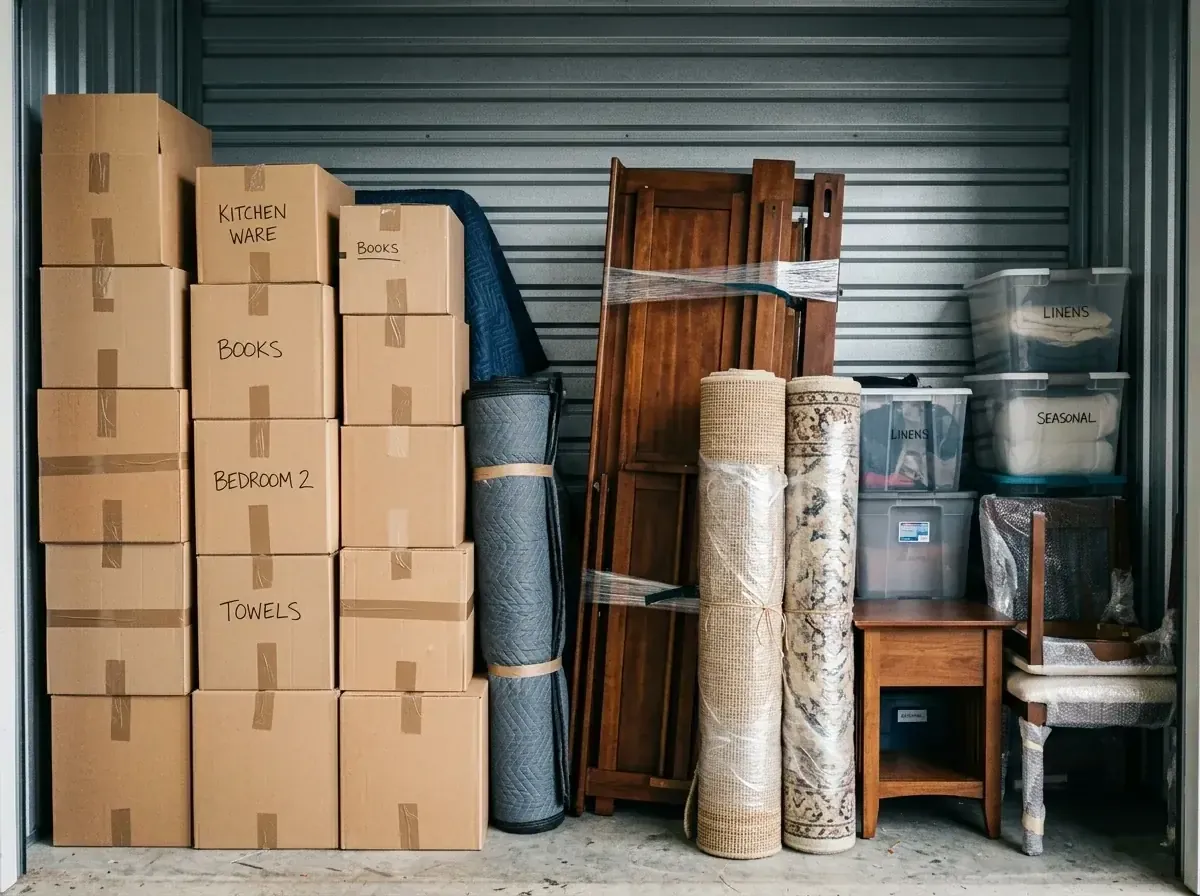
A few habits make a real difference in how much a 10x20 unit holds and how usable it stays over time. Disassemble bed frames, tables, and shelving units before loading. Use uniform box sizes where possible so stacks stay stable. Place items you'll need to access regularly near the front, and build a center aisle so you don't have to unload the whole unit to reach something in the back.
Furniture pads and moving blankets protect wooden surfaces and keep pieces from shifting during transport. For items sensitive to temperature swings, such as electronics, wooden furniture, or documents, a climate-controlled unit helps maintain a consistent temperature range and reduces the risk of warping or finish damage over longer storage periods.
Making the Right Call on Unit Size
Choosing between unit sizes is a practical decision, and the 10x20 unit sits at the larger end of the standard range for good reason. It covers a lot of ground for households in transition, business owners managing inventory, and anyone consolidating space between life stages. If you're still comparing, Magnolia Storage's unit size guide lays out the options side by side so you can match your inventory to the right footprint before you commit. You can also browse all Magnolia Storage locations to find availability near you and check what unit sizes are currently open at each facility.