
Uncovered and Indoor RV Storage: Which Is Right for Your Rig?
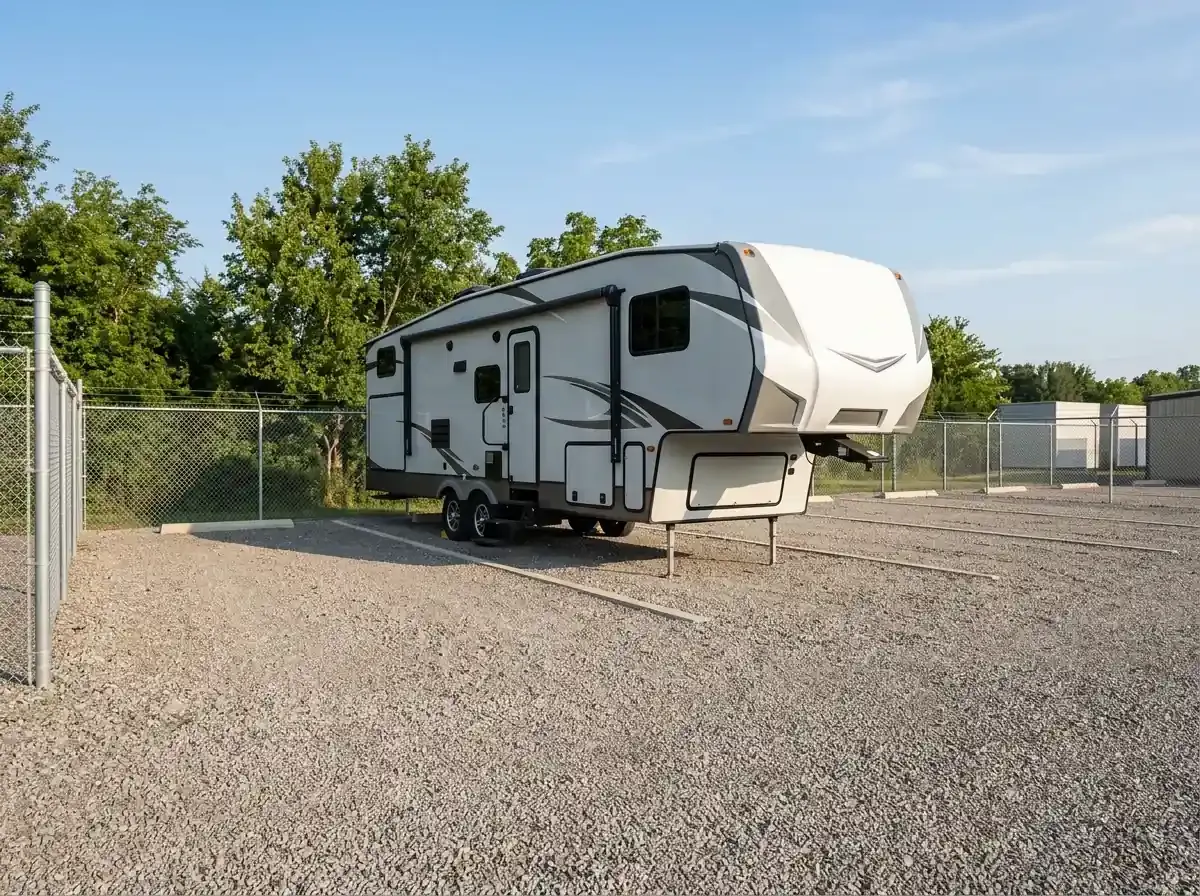
An RV sitting exposed in a driveway or open lot through a long summer accumulates the kind of slow damage that compounds quietly until the repair bill arrives. Faded paint, cracked vinyl, and tire dry rot from hot pavement are all common. Sorting through your RV storage options before that damage builds is one of the more practical decisions you can make as an RV owner.
Magnolia Storage offers vehicle storage options designed to fit a range of rigs, budgets, and needs, and the differences between those options matter more than most people realize.
What Outdoor Exposure Actually Does to an RV
A tarp in the driveway is better than nothing, but not by much. UV radiation works on paint and clear coat continuously, dulling a finish that would otherwise hold its gloss for years. On vinyl graphics and decals, the same exposure causes fading and brittleness, and the edges begin to lift. A dashboard left in direct sunlight through repeated heat cycles will crack along stress points that are expensive to repair or replace.
Tires are a less obvious casualty. Ozone and UV together break down rubber compounds from the outside in, producing the fine surface cracks known as dry rot. A tire can look structurally sound and still be compromised. Hail is a separate problem entirely, as a single storm can leave dozens of small dents across a fiberglass roof or aluminum sidewall, and the repair cost on a larger coach can run into thousands of dollars.
For anyone holding a classic, a collector vehicle, or an RV they plan to sell, these can all directly affect resale value. A rig that has spent three years under a proper roof often looks and appraises differently than one that spent those same years in an open field.
Uncovered Outdoor Storage: The Baseline Option
Uncovered outdoor storage is typically the most common and most affordable option. Your RV parks on a paved or gravel surface with no overhead structure. It keeps the vehicle off your property and out of a residential street, which solves the immediate problem of where to put it.
The trade-off is full exposure. Sun, rain, hail, bird droppings, tree sap, and temperature extremes all reach the vehicle directly. A quality RV cover can reduce some of that exposure, but covers trap condensation against the surface if they aren't breathable, and they can abrade paint when wind moves them. Uncovered outdoor storage works best for newer rigs in good condition when the storage period is short, or for owners who are diligent about covering and inspecting the vehicle regularly.
Enclosed Indoor Storage: A Shielded Space for the Rig That Warrants It
Indoor storage puts four walls and a roof around the vehicle. There’s a solid barrier between your vehicle and the outside, which means no sun, no hail, no wind-blown debris, no birds. For a high-value coach, a vintage motorhome, or any vehicle being held for resale, indoor storage is the most appropriate choice on a cost-versus-condition basis.
The interior of an enclosed space also stays within a narrower temperature range than the outdoors. That's not the same as a climate-controlled storage unit. Most enclosed vehicle storage spaces are not temperature-regulated the way climate-controlled indoor self storage units are, but the buffer from outdoor extremes is real and meaningful.
However, indoor vehicle storage doesn’t fit every vehicle. Tall fifth wheels and Class A coaches have different clearance requirements than a pop-up camper or a Class B van conversion. Checking dimensions before you commit is essential. See our RV storage options to learn what's available at Magnolia Storage, and you can also browse our unit size guide to get a clearer picture of what fits where.
Seasonal Storage and the Offseason Question
Many RV owners only think about storage options at the end of the travel season, when the rig is going to sit for several months. That timing actually makes the choice between uncovered and indoor storage more consequential, not less. A vehicle sitting stationary through a full winter accumulates more UV hours, more freeze-thaw cycles on its seals, and more time for any slow leak under a cover to cause surface issues than a vehicle that moves regularly.
For offseason storage specifically, the argument for an enclosed space is strongest. The vehicle isn't being used, so there's no convenience cost to putting it somewhere properly protected. The only variable is price, and the cost of an indoor space for four to six months is often far less than a single repair bill for hail damage or a cracked dashboard.
Owners who store a vehicle for a full year tend to value the indoor option more heavily. Twelve months of sun exposure on a fiberglass roof is a different calculation than three.
Choosing the Right Fit
The right option depends on four practical factors: the value of the vehicle, how long it will sit, your budget, and what our facility has available. A newer, lower-value camper on a short storage timeline can do fine in an uncovered space. A small motorhome expected to sit for several months deserves an indoor space.
If you have questions about what size space your specific rig requires or which options are available, the team at Magnolia Storage can walk you through it. Getting the storage decision right at the start is considerably easier than dealing with the paint, tire, or seal repairs that come from getting it wrong. Visit us or contact Magnolia Storage to reserve your space today.